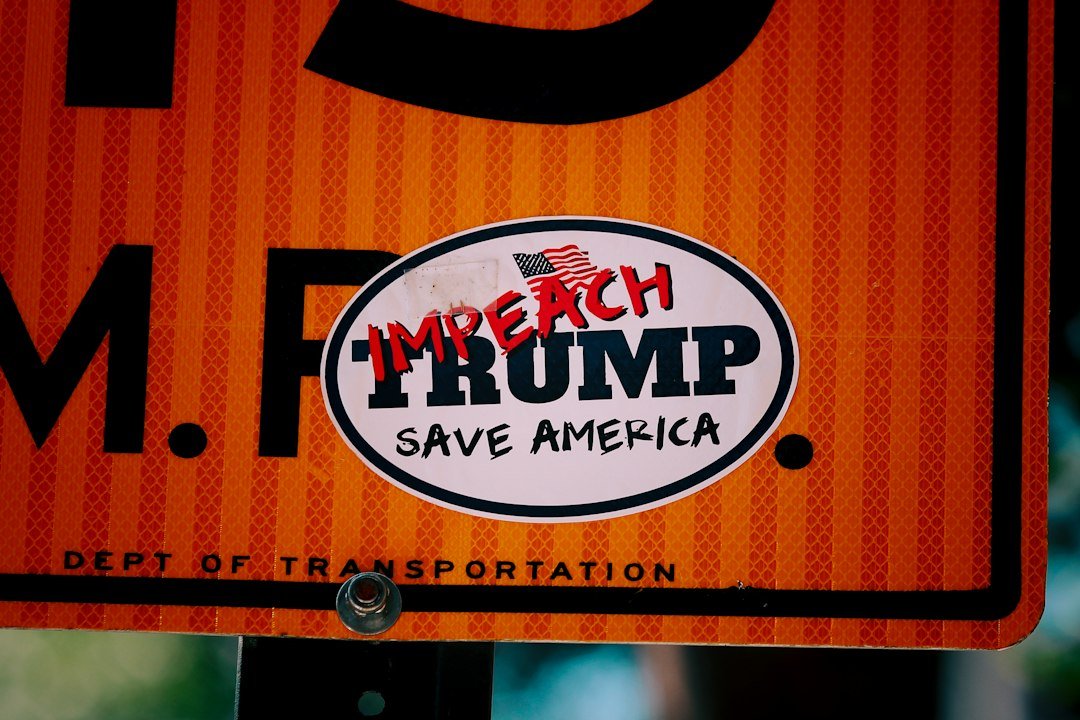
U.S. Trade Policies Raise Questions of Double Standards
Recent criticisms directed at the U.S. administration highlight contentious inconsistencies in its resource trade policies. The focus is primarily on the contrasting treatment of energy imports and other natural resources, particularly toward countries like Russia and Belarus.
The Trump-era policies remain a focal point, with critics questioning the rationale behind its selective condemnation of international resource trading. The Biden administration continues to grapple with some of these inherited policies, facing scrutiny over how these practices align with broader American diplomatic goals.
Oil and Potash: A Case of Contrasting Approaches
Under scrutiny is the distinct approach taken toward Russian oil imports and Belarusian potash exports. The U.S. has been critical of countries like India for engaging in oil trade with Russia, citing geopolitical tensions and urging them to find alternative sources. However, when it comes to Belarus, the situation appears more lenient, with potash exports seemingly welcomed without similar criticism.
Such differential treatment fuels debates about favoritism and strategic interests potentially influencing policy decisions. Observers argue that these actions underline a broader issue within international trade dynamics, where economic benefits seemingly outweigh consistent diplomatic principles.
Impacts on International Relationships
This alleged inconsistency could strain the U.S.’s relations with key partners. Nations engaged in these trades might perceive the United States as pursuing a selective agenda, potentially resulting in misunderstanding and mistrust.
The criticism is not just limited to international circles. Domestically, policymakers and analysts challenge these approaches, urging for a more unified and principled stance that does not vary based on economic convenience.
A Call for Transparent Trade Practices
Analysts advocate for a transparent approach that holds consistent standards across different geopolitical contexts. They argue that clearer policies could help cement established alliances and foster new partnerships based on mutual respect and shared global objectives.
In conclusion, as scrutiny continues over these trade practices, the U.S. administration faces pressure to reconcile its international trade policy with overarching foreign policy objectives. A balanced approach could potentially enhance its credibility on the global stage, steering clear of criticisms linked to selective policies.
Photo by John Bakator on Unsplash