India’s Shift in Ethanol Sourcing: Sugar-Based Ethanol Dropped
The Indian government has made a significant decision to exclude sugar-derived ethanol from its petrol blending programmes starting from the supply year of 2026-27. This strategic move is part of an effort to preserve domestic sugar reserves while continuing to advance the nation’s commitment to increasing renewable fuel sources.
On October 16, 2023, Bharat Petroleum Corporation Limited (BPCL), representing major state-run oil marketing companies, released a tender seeking bids for approximately 11 billion litres of ethanol for the supply year commencing in November. This large volume is integral to achieving India’s aim of incorporating 20% ethanol in its petrol blend.
Focus on Alternative Ethanol Sources
Several traditional sources of ethanol, such as those derived from sugarcane juice, syrup, and B-heavy molasses, are being deliberately excluded from this tender. Instead, the focus will be on other feedstocks like maize and C-heavy molasses. These changes reflect an attempt by the government to balance the utilisation of agricultural products between fuel and domestic consumption needs.
In addition to altering the source of ethanol, the tender document has also adjusted the pricing incentive for maize-based ethanol. The procurement price has been lowered from Rs 71.86 per litre to Rs 68.86 per litre. This price adjustment aims to manage costs while diversifying ethanol sources.
Implications for Sugar Industry and Policy
This shift is expected to have significant implications for both the ethanol and sugar industries in India. By reducing reliance on sugar-based ethanol, the policy aims to stabilize domestic sugar stocks, especially in light of fluctuating production levels and growing internal demand.
The changes come amid global challenges and market conditions that require nations to reconsider their renewable energy strategies. India’s move illustrates how energy policies and agricultural priorities can intertwine, possibly setting a precedent for policy adjustments in similar sectors globally.
The decision raises questions about India’s capacity to still meet its ambitious petrol blending targets. Continuous monitoring and adjustments will be necessary as policymakers assess the full impact of these changes on the environment and economy.
A Look to the Future
As India edges toward meeting its ethanol blending targets, the challenge will be to ensure a sustainable balance between reducing fossil fuel imports and preserving critical agricultural outputs. Stakeholders in both agriculture and energy sectors will need to collaborate closely to navigate the evolving landscape efficiently.
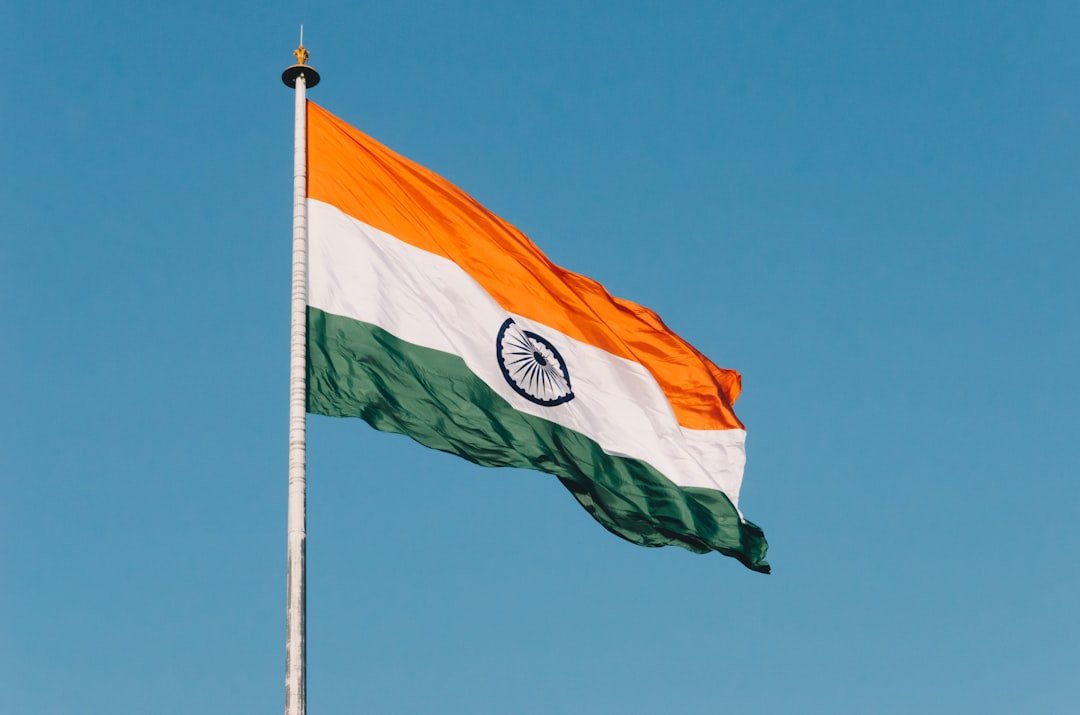
Photo by Graphic Gears on Unsplash