Democrats Face Uphill Battle in Tackling Economic Woes
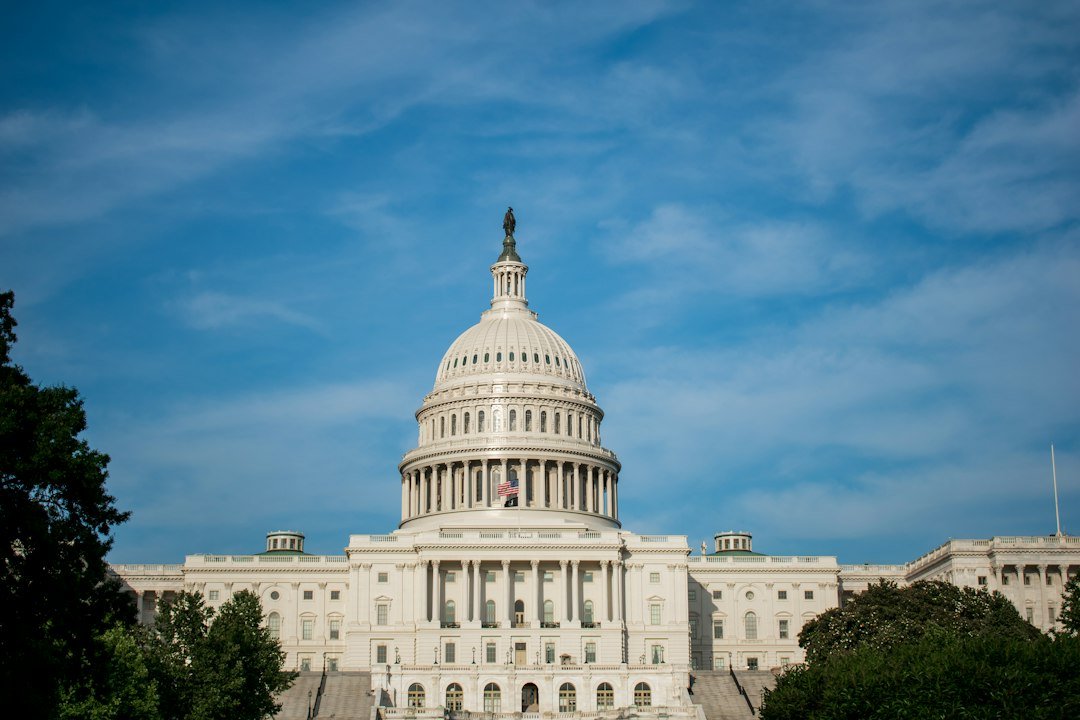
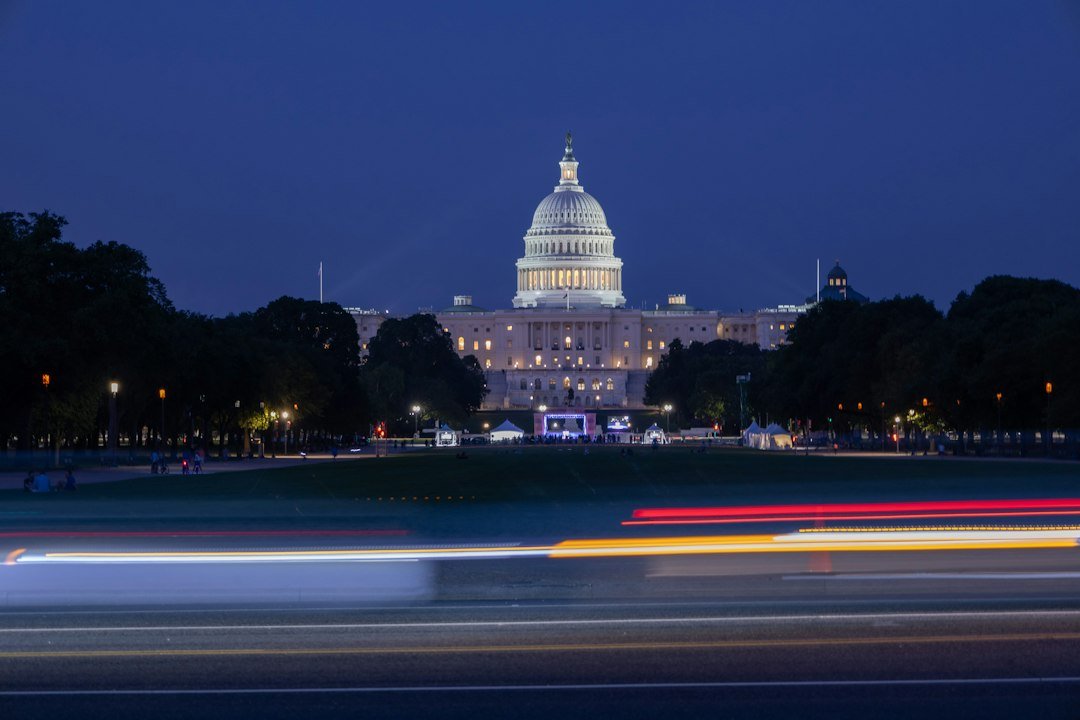
As the recent political shift in the United States boosts Democratic power, questions loom over their ability to tackle economic challenges effectively. With a backdrop of rising living costs and a complex global landscape, achieving substantial economic improvements may be more difficult than anticipated, leaving voters skeptical about future outcomes.
Economic Concerns Dominate Voter Sentiment
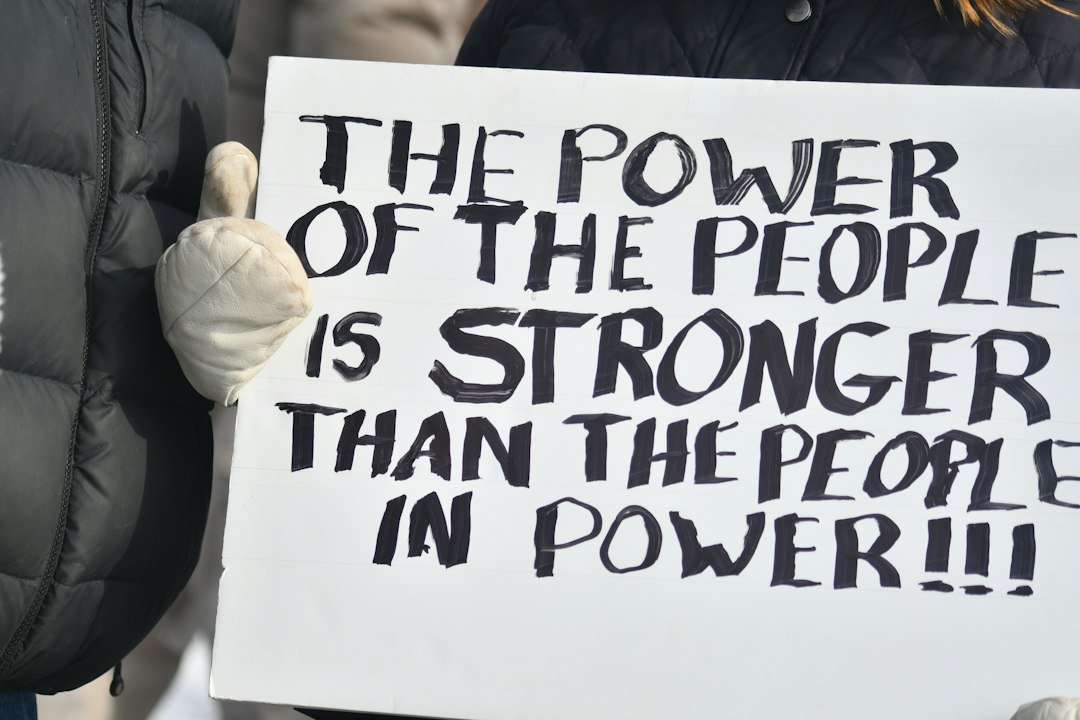
The frustration among voters due to escalating living costs significantly influenced recent elections, leading to unprecedented Democratic gains in both the House and the Senate. These wins mark the largest shift towards Democratic control since the 1970s. Despite this political advantage, the party faces the daunting task of addressing the nation’s pressing affordability issues, such as high fuel prices and healthcare costs.
Gas Prices and International Relations
Gas prices, a major factor behind the electoral outcomes, present a challenge for the new Democratic leadership. Lowering these costs may necessitate strategic international negotiations, notably with countries like Iran, to stabilize markets. Senate Majority Leader Chuck Schumer and prospective House Speaker Hakeem Jeffries have expressed commitment to making life more affordable. However, the unpredictable nature of international diplomacy and global markets means results could be slow to materialize, leaving little room for immediate impact.
Legislative Hurdles and Economic Policies
While Democrats now have legislative power, the scope for dramatic change is limited by existing economic conditions and Congressional procedures. Efforts to counteract past policies, such as Trump’s trade tactics or modifications to federal subsidies under healthcare reforms, face fiscal constraints and procedural obstacles given the significant national debt. The need for bipartisan cooperation presents another layer of complexity in enacting change.
The AI Investment Boom: A Double-Edged Sword
Adding to the complexity is the ongoing AI investment surge, which has both driven optimism and raised concerns on Wall Street. Investment in technology to bolster data infrastructures is skyrocketing but remains fraught with uncertainty. A sudden downturn in this tech-driven boom could have economic consequences reminiscent of the 2008 financial crisis, further challenging economic recovery efforts.
Navigating a Cautious Path Forward
The Democrats’ challenge now is to manage expectations and navigate through an intricate web of domestic policy challenges and global economic variables. The sustainability of voters’ current support depends largely on whether Democrats can mitigate these economic tensions, manage national debt effectively, and exhibit tangible progress before the next electoral cycle.
Photo by James A. Molnar on Unsplash