In a significant development for Europe’s far-right political landscape, leading figures from Germany’s Alternative for Germany (AfD) and Italy’s Future Nazionale united for a political rally in Orvieto, Italy. This meeting raised eyebrows due to its historical undertones harking back to alliances formed in pre-war Europe.
Orvieto Rally: A Meeting of Minds
The rally in Orvieto brought together two influential far-right leaders – Roberto Vannacci from Italy and Marc Jongen from Germany. Their gathering symbolized a push towards closer cooperation among neo-nationalist movements across Europe, echoing historical alliances that once dominated the continent.
Germany’s AfD, recently buoyed by an electoral success in Saxony-Anhalt, continues to gain traction, prompting scrutiny of its rising influence amidst Germany’s current political landscape. In contrast, Future Nazionale, under Vannacci’s leadership, positions itself even further to the right than the coalition of Italian Prime Minister Giorgia Meloni, potentially setting the stage for significant political shifts in Italy.
Historical Echoes and Modern Dynamics
The event in Orvieto brings to mind the Rome-Berlin Axis declared by Mussolini in 1936, preceding the infamous Pact of Steel with Nazi Germany. While today’s context sees these parties operating within democratic structures, the rekindling of ties between Germany’s and Italy’s far-right movements invites historical comparisons.
Gianni Alemanno, the event’s organizer and Rome’s former mayor, expressed belief in Vannacci’s potential to lead Italy within a decade. He criticized the current Italian administration for its deviation from right-wing roots, suggesting that a political realignment could be on the horizon.
Shared Goals and Future Strategies
During the rally, Vannacci introduced Jongen in a manner intended to soften the far-right party’s extreme image. Jongen, with a personal connection to both Italy and Germany, emphasized the AfD’s desire to preserve national identities and reduce EU influence, aligning with Future Nazionale’s vision.
Both Vannacci and Jongen used the occasion to signal their shared commitment to a European right-wing resurgence, urging for sovereign nations over a unified EU authority. The rally concluded with a mutual understanding that their parties represent aligned values, forecasting a future of cooperation.
This alignment between the German and Italian far-right movements may not redefine Europe’s political landscape immediately but signals an evolving unity within neo-nationalist factions, poised to challenge mainstream European politics.
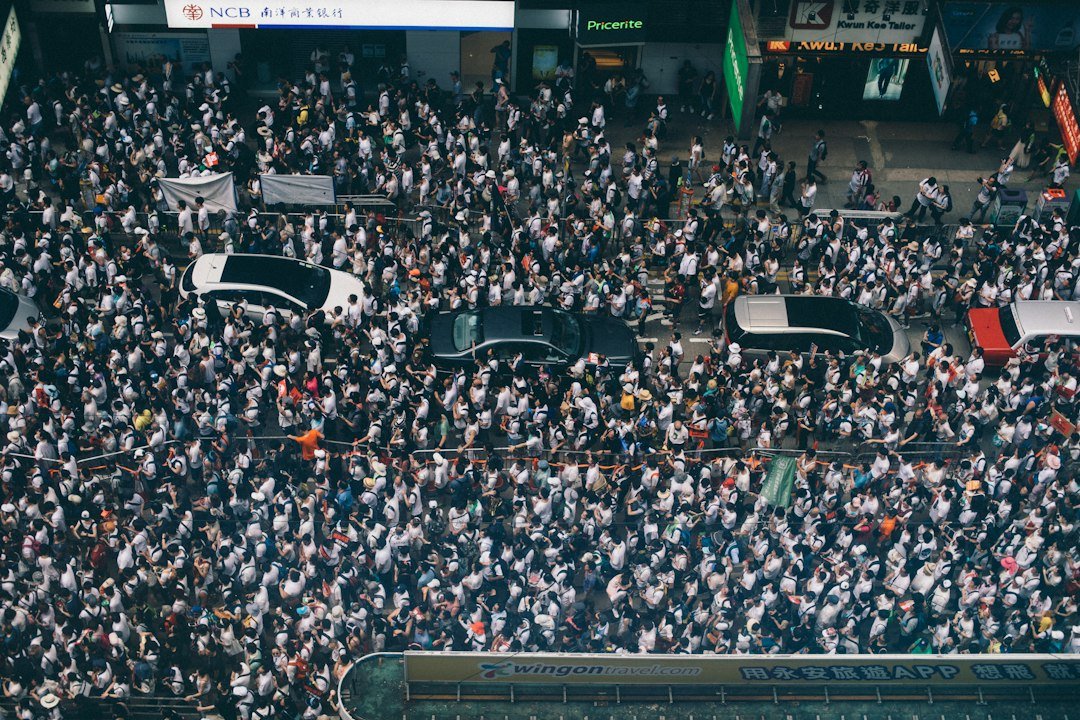
Photo by Joseph Chan on Unsplash