Revealing Racial Bias in London’s Music Scene
A recent study has uncovered significant racial disparities in the licensing of music events in London, especially affecting Black and South Asian artists and entrepreneurs. The report, commissioned by the Greater London Authority and conducted by Black Lives in Music, highlights how racial bias continues to influence event licensing.
Discrimination in Event Licensing
The research found that Black-led music events are frequently subjected to more stringent restrictions and cancellations than their white counterparts. Genres such as Afrobeats, hip-hop, drill, R&B, and dancehall are often classified as “high risk,” facing more scrutiny than indie, pop, and rock performances.
Challenges for South Asian-led Events
The study also examined South Asian music events, which were found to be underrepresented in licensing records. Although these events generally proceed with modifications or negotiations, the lack of comprehensive data makes it difficult to draw definitive conclusions about potential bias against South Asian artists.
Historic Patterns
Dr. Hakeem Stevens, one of the report’s co-authors, noted that racial issues in music licensing are not new, tracing these discriminatory practices back over a century. The legacy of Form 696, a “risk assessment” tool deemed racially biased before being discontinued in 2017, still lingers as an example of institutional prejudice in the industry.
Impact of the Findings
The study’s findings were met with support from various industry organizations, including the Musicians’ Union and the Night Time Industries Association. They assert that these biases have economic consequences, making it logistically or financially impossible for some events to occur, which could lead to economic and cultural exclusion for minority groups in the creative industry.
The Metropolitan Police have acknowledged these concerns and expressed their intention to consider the report’s findings carefully. Meanwhile, the London Nightlife Taskforce and its chairman, Cameron Leslie, are optimistic about implementing the report’s recommendations to address these disparities.
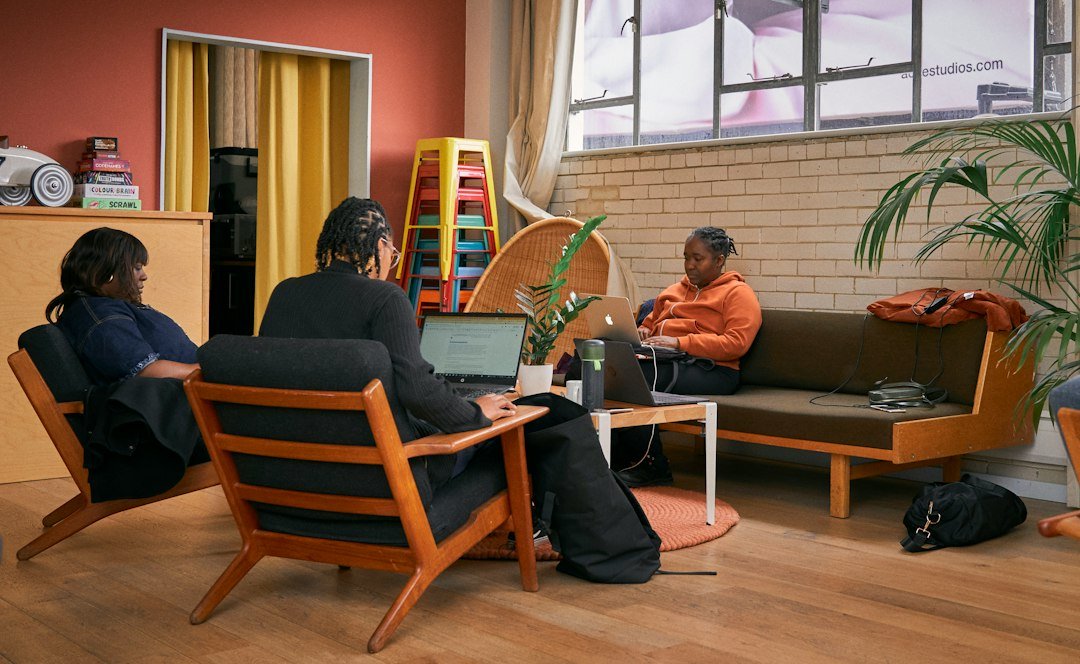
Photo by Omar Lopez on Unsplash