
Paddy straw management remains a critical environmental concern for the northern Indian states of Punjab and Haryana, as both regions strive to address stubble burning issues. Despite significant investments in machinery and infrastructure, both states have yet to meet their annual goals for paddy straw utilisation.
Progress in Punjab
According to recent findings, Punjab is outperforming Haryana in several key paddy straw management metrics. Punjab facilities managed to utilise approximately 11.68 lakh tonnes of paddy straw by the end of October for pellet and briquette production. However, this is still below their annual target of 22.03 lakh tonnes, representing only about 53% of the intended utilisation.
On the machinery front, Punjab deployed nearly 88% of its annual target for Crop Residue Management (CRM) machines but still fell short of the 22,500 target. The limited utilisation of these machines underscores the need for more effective strategies to combat air pollution from stubble burning.
Haryana’s Challenges
Meanwhile, Haryana’s efforts lag behind those of Punjab. The state managed to use about 35% of its paddy straw for pellet and briquette production against its annual goals. This places Haryana significantly behind in achieving its targets as compared to Punjab.
Despite the presence of adequate machinery, the utilisation percentages indicate a gap in execution. By the end of October, Haryana reached a 57% utilisation rate against their respective goal, showing the need for targeted initiatives to bolster utilisation rates and reduce environmental impact.
The Road Ahead
The path forward for both states involves not only expanding their technical capabilities but also enhancing the efficiency and reach of their current programs. Greater education and training for farmers on the benefits and use of straw management technologies could lead to better outcomes.
As the harvesting season concludes, both Punjab and Haryana face scrutiny over how they manage paddy straw, a key contributor to air pollution due to the prevalent practice of burning it in fields. The next steps will be crucial in shaping effective policy measures and technological solutions to manage agricultural waste sustainably.
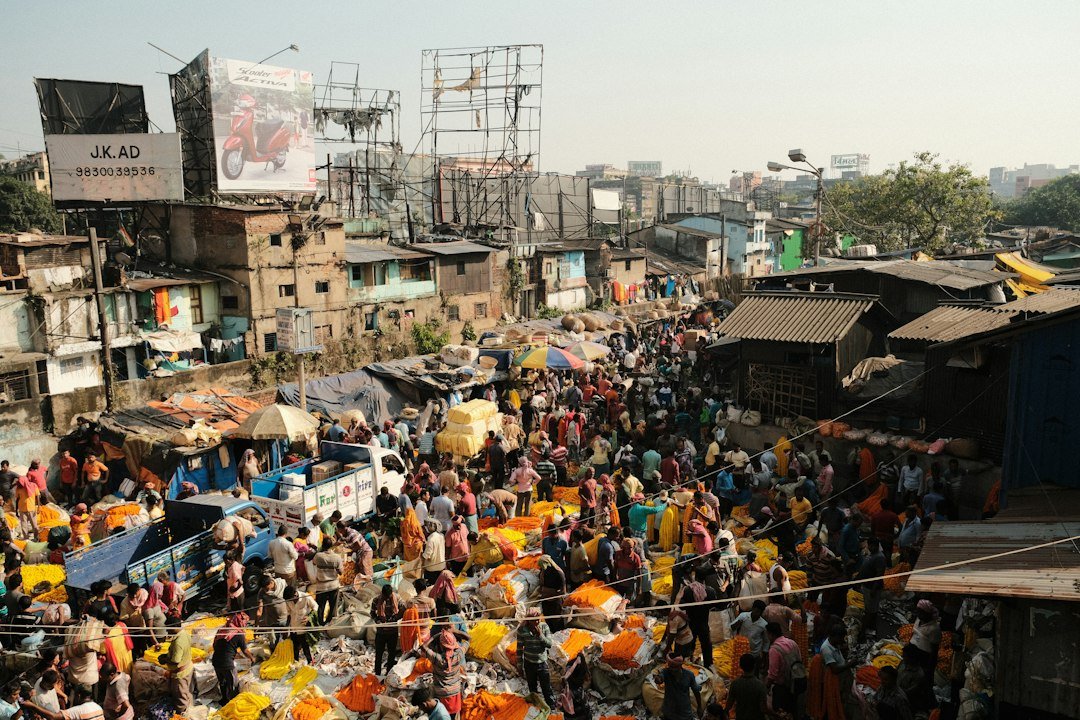
Photo by Daniel Dara on Unsplash