Karnataka Government Limits Performance of Vande Mataram
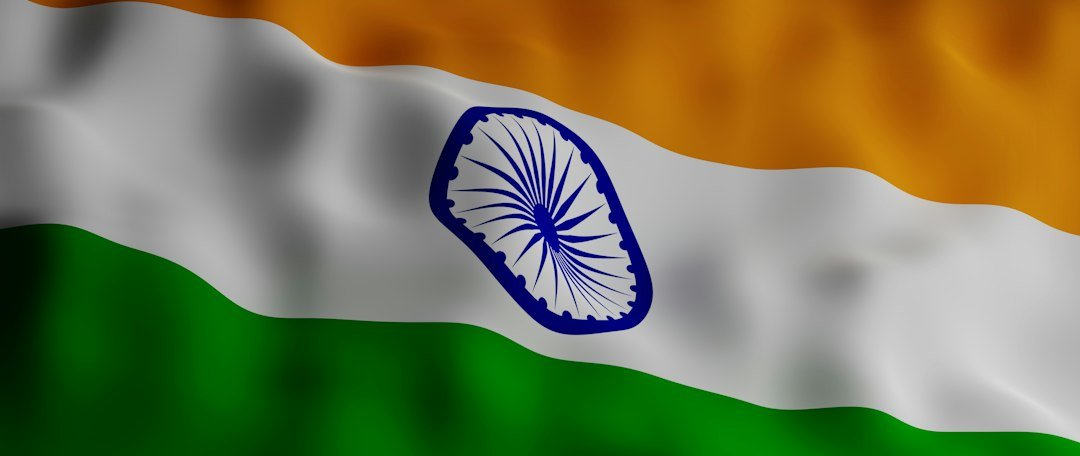
The Karnataka state government has recently announced a protocol change regarding the national song, Vande Mataram, at official state events. The new directive mandates the rendition of only the first two stanzas of the song, as opposed to the full version that is traditionally performed.
The decision is part of an effort to streamline official proceedings while still honoring the sentiment and significance of the song. Vande Mataram, penned by Bankim Chandra Chatterjee in the 19th century, holds a special place in Indian history and culture. However, the entire song is composed of multiple stanzas, which extend the length of performances and, therefore, the new format aims to make formal events more concise.
Cultural and Historical Significance
The national song’s cultural heritage remains intact despite this alteration. Vande Mataram played a pivotal role during India’s struggle for independence and continues to evoke a spirit of nationalism among the populace. Recognizing its impact and importance, the Karnataka state’s decision underscores a balance between tradition and practical efficiency.
Political analysts suggest that while this change might seem minimal, it reflects a larger trend in government attempts to modernize and adjust protocols that cater to contemporary event practices. By retaining the initial stanzas, which include deeply patriotic sentiments, the essence of the song is preserved.
Reactions and Implications
Reactions to this move have been mixed. Some cultural purists advocate for the full version to be performed at all official events, arguing that each stanza contributes to the complete narrative of the song. On the other hand, supporters of the new directive applaud the government’s decision as a sensible approach to time management during state functions.
The state government has reassured its commitment to maintaining the integrity and honor of national symbols. This decision marries the past with the present, ensuring that the song continues to be a core part of celebrations, albeit in a condensed form.
Photo by Ana Dujmovic on Unsplash