Speaker Lindsay Hoyle Voices Frustration Over Parliament Restoration Delays
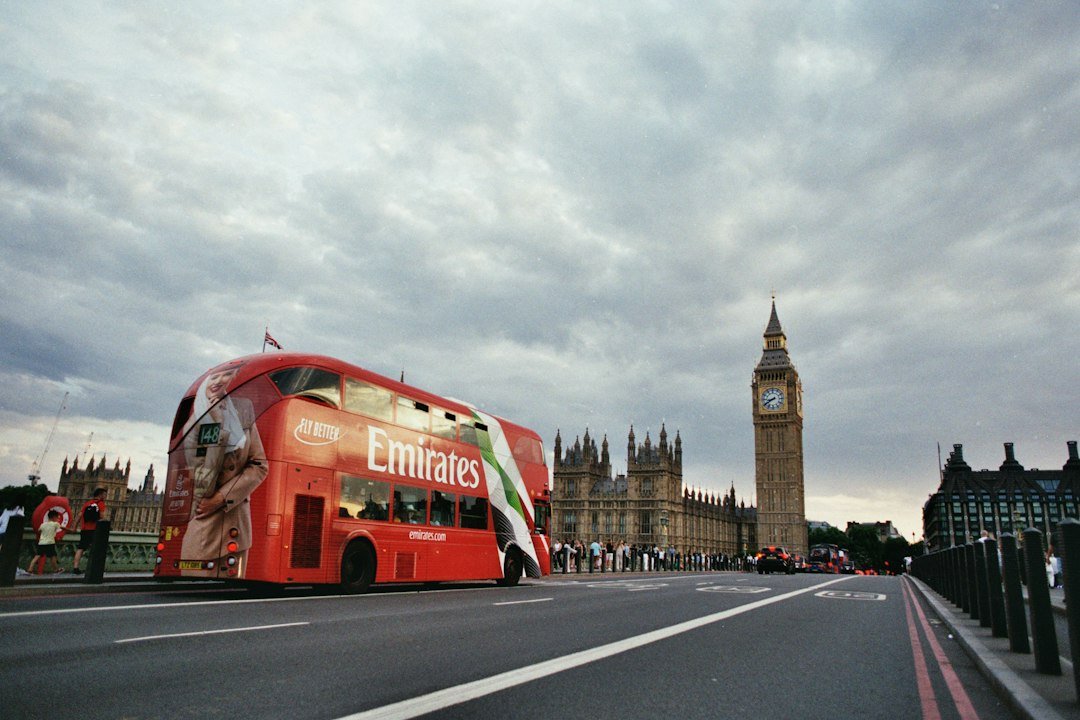
Commons Speaker Sir Lindsay Hoyle has openly criticized the stagnant progress in restoring the historic Palace of Westminster, describing it as a major frustration. He outlined his concerns over the lengthy bureaucratic processes involved in approving the essential upgrades needed to preserve the Victorian-era building.
Speaking to BBC Radio, Sir Lindsay expressed his discontent with the current legislative framework that effectively blocks immediate renovations until the entire scope and funding of the £40bn project is ratified. He likened the situation to putting “ourselves in handcuffs,” lamenting that more time is spent conducting surveys than actually commencing repairs.
The pressure to act has intensified following a report from the Commons public accounts committee, which deemed it “crunch time” for the refurbishments. The report highlighted the dire financial implications of postponement, with each year of delay adding a staggering £420m to taxpayers’ bills. Moreover, it warned of the building’s increasing vulnerability to potential disasters akin to the 2019 Notre Dame fire.
Fire safety concerns are paramount, given the outdated infrastructure within much of the 19th-century edifice. Some wirings and plumbing are remnants from as far back as the Victorian era, posing significant safety and asbestos risks. Sir Lindsay emphasized the urgency for installing a comprehensive mist fire-suppression system in the oldest parts of the complex, a safety measure he has championed for years but remains unmet.
Potential Outcomes and Legislative Hurdles
Decisions regarding the renovation’s timeline and execution are still pending, with discussions ongoing about holding a parliamentary vote on the issue by early next year. A proposal suggests commencing up to £3bn of initial works and deciding among four proposed approaches by 2030.
The possible plans under consideration include relocating MPs and peers from the building entirely, which could cost between £15.6bn and £39bn depending on the execution path chosen. One longer-term option involves only moving the House of Lords and could delay restoration for over six decades.
Current deliberations and the potential costs of refurbishment have been a point of contention as the leadership continues to navigate the complex processes tied to the building’s preservation. Despite the palpable urgency, any significant decision remains uncertain, awaiting a formal legislative vote.