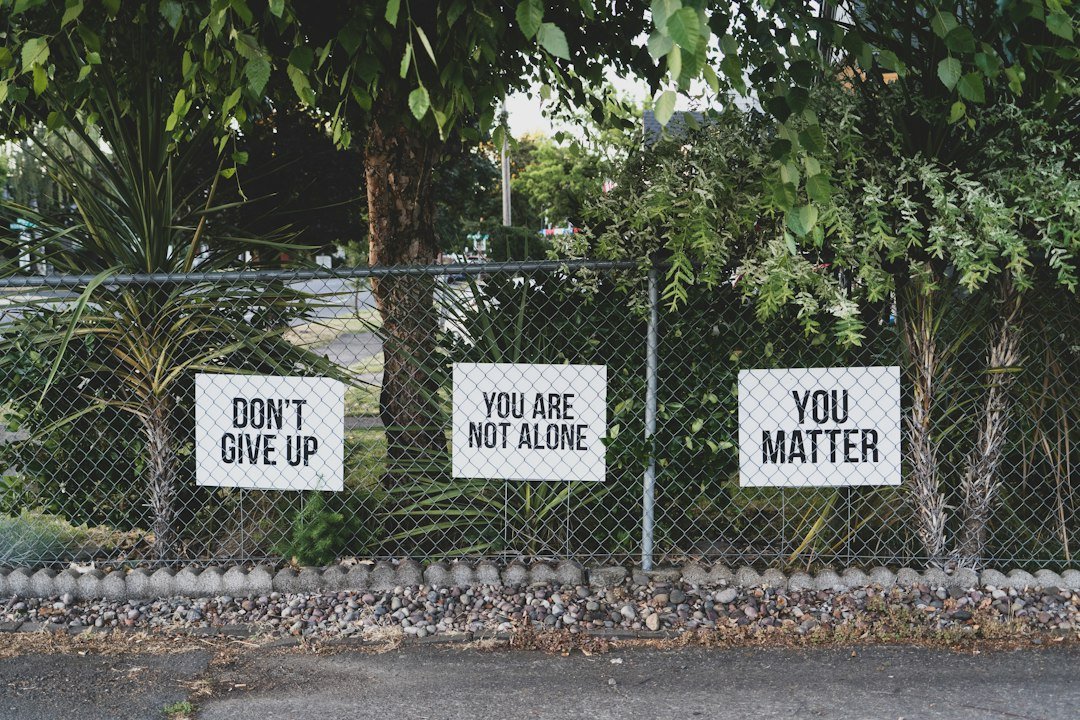

Unveiling Health Challenges Among Asian Women in Luton
A recent report from Luton has thrown light on troubling health issues faced by Asian women in the town, often overshadowed and unheard. The document, named ‘Let Women Speak’, was commissioned by local council authorities and it presents a worrying snapshot of how health disparities affect minority communities, particularly South Asian women.
Firoza Abdool-Sathar, a dedicated director of Luton’s Centre for Youth and Community Development (CYCD), expressed significant concerns over the declining health indicators among older women in these communities. She pointed out that these women’s voices have historically been silenced, failing to be recognized in crucial conversations around their health and wellbeing.
The report highlights that many women between 45 and 64 years old are now at greater risk due to escalating body mass indexes. It appears that health challenges commence approximately five years earlier for them when compared globally, spotlighting their vulnerability. Abdool-Sathar attributes this to enduring economic hurdles, constrained chances, and cultural barriers including language complexities.
Health Screening Uptake and Community Impact
The findings reveal that essential preventive health practices are alarmingly low. Specifically, only 52.5% of women aged 25 to 49 participate in cervical screenings, while breast screening participation sits at 63%, both figures lagging behind national averages. Such disparities underline the necessity for targeted interventions and community education initiatives.
Efforts are underway to champion these women’s health as local councillors advocate for programs intending to elevate their wellbeing. Situated in Bury Park, a region with a predominantly Asian populace, CYCD is actively engaged with women enduring domestic challenges and survivors of harmful traditional practices.
Future Aspirations and Educational Progress
Despite these grave challenges, Abdool-Sathar remains hopeful for a better future. She emphasizes that younger generations of women are more empowered and informed, allowing them to harness educational tools as a means to improve their circumstances significantly.
Meanwhile, project co-ordinator Yasmin Akhtar Yasin, involved with CYCD’s “End The Silence” project, notes ongoing stigmas related to mental health disorders among Asian women, exacerbating their plight. She highlights the dire need for awareness and support structures that inform women about issues like depression and menopause, which often go untreated due to cultural misconceptions and inadequate information.
In essence, it is apparent that education and support systems need to catch up to ensure all women, irrespective of background, have equal access to health resources, helping them lead healthier, more informed lives.
Photo by Matthew Waring on Unsplash