US Media Boycott Trump After White House Ban Sparks Uproar
Major US networks boycott Trump’s coverage due to ban, escalating media tensions.
In a significant stand against media restrictions, leading US television networks have halted coverage of President Donald Trump following his exclusion of three major news outlets from the White House. This move marks an intense chapter in Trump’s longstanding confrontation with the media.
Media Outlets Take Legal Action
The three barred media entities, CNN, MS NOW, and Politico, have chosen to challenge the ban in court, arguing that it infringes on their First Amendment rights. This litigation seeks to reverse the administration’s decision, which was announced without prior warning.
The networks’ decision to boycott Trump is unprecedented in recent US history. They have collectively decided to pause pool coverage from the White House, hampering broadcast reporting from crucial locations such as the United Nations General Assembly in New York.
Trump’s Response and Media Reaction
President Trump has not shown remorse over the ban, criticizing the media for what he perceives as biased reporting. He has labeled the press as a detrimental force to national security, maintaining that his administration is fighting “fake news” rather than silencing free press.
Vice President JD Vance, formerly a CNN analyst, supported Trump’s actions, dismissing the claims of barring free speech. He emphasized that the outlets retain the ability to report, despite losing their White House office privileges.
Impact on Press Freedom and Future Implications
The decision to revoke the press passes of the affected outlets has sent ripples through media circles. Critics argue this sets a precarious precedent for press freedom, suggesting that it undermines independent journalism.
While the administration has not detailed specific reasons for the ban, insiders speculate it stems from years of critical reporting by these networks. Trump hinted that other outlets might face similar restrictions.
The ongoing legal battle and media boycott could reshape how press interactions occur in the White House, impacting the landscape of political journalism in the US.
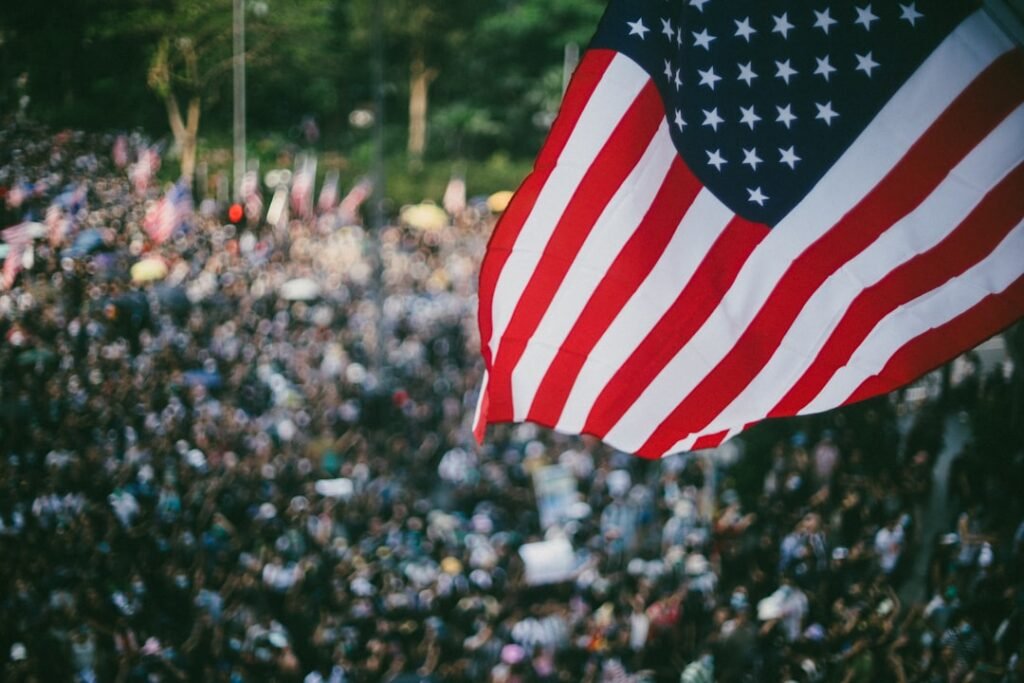
Photo by Joseph Chan on Unsplash