Serbia stands at a crossroads as polling stations have officially closed in an election that some see as a turning point in the nation’s political landscape. The incumbent, Aleksandar Vučić, who has held a firm grip on power for over a decade, faces one of his strongest challenges to date from a burgeoning movement known as the Student List. This election saw an unprecedented level of voter turnout, marking the highest participation since the dissolution of Yugoslavia.
For nearly two years, the Student List has been vocal in its opposition against Vučić’s government, denouncing alleged corruption across significant governmental and institutional levels. Their movement has galvanized younger generations and those disillusioned with current leadership, creating a formidable opposition against the established regime.
Reports from across Serbia have indicated a significant police presence, especially near key government buildings, reflecting the tense atmosphere surrounding these elections. The heightened security measures underscore the election’s high stakes, with many anticipating potential shifts in both domestic policies and international relations, depending on the outcome.
Observers note a notable surge in diaspora participation, with Serbians abroad, including those in the UK, enduring long waits at embassy polling stations. This eagerness from the diaspora underscores the election’s importance and how the country’s political trajectory resonates with nationals worldwide.
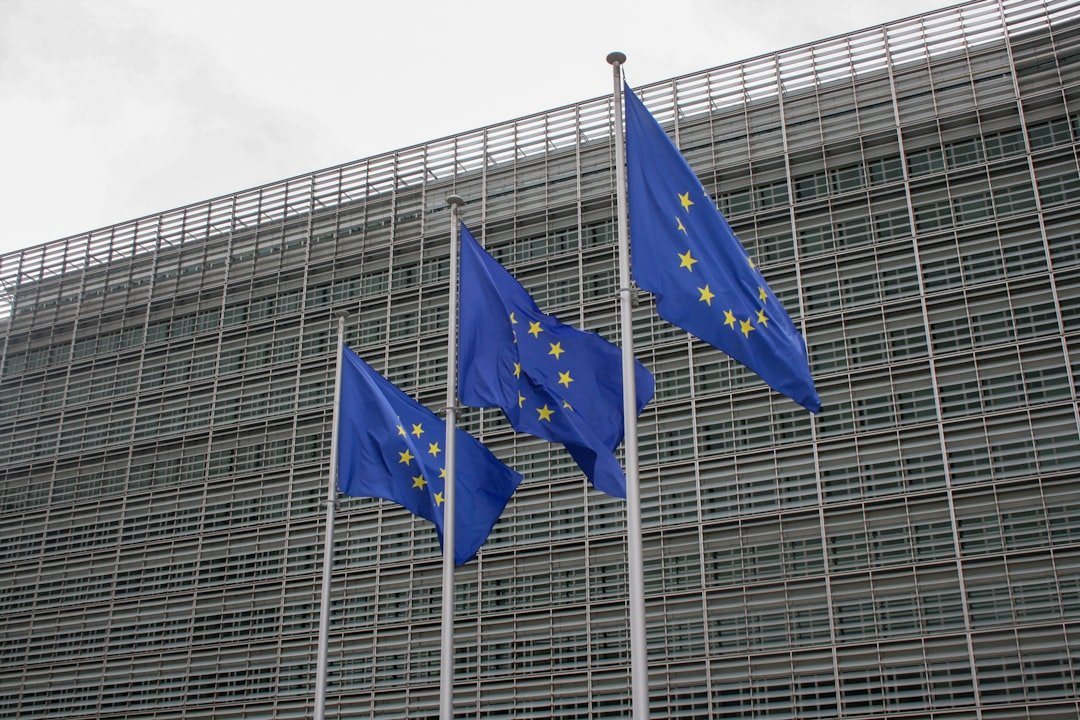
The electoral process in Serbia, characterized by complex regulations, has been under close observation from both domestic and international bodies. Recent years have seen increased scrutiny and criticism, particularly from the European Union, worrying about violence and the integrity of the electoral process. Recent incidents prompted a diplomatic expression of concern from the EU regarding the overall stability and fairness of the elections.
As the country awaits the final results, it becomes clearer that the election serves as more than just a typical political contest; it is a referendum on Vučić’s rule and the future direction of Serbia. Whether this marks the beginning of a political transition or the continuation of Vučić’s rule, the implications for Serbia’s socio-political fabric are profound.
Photo by Mika Baumeister on Unsplash