Owaisi Urges Muslim Voters to Develop Independent Political Leadership
Owaisi calls on Muslims to create their own leadership, criticising SP and Congress.
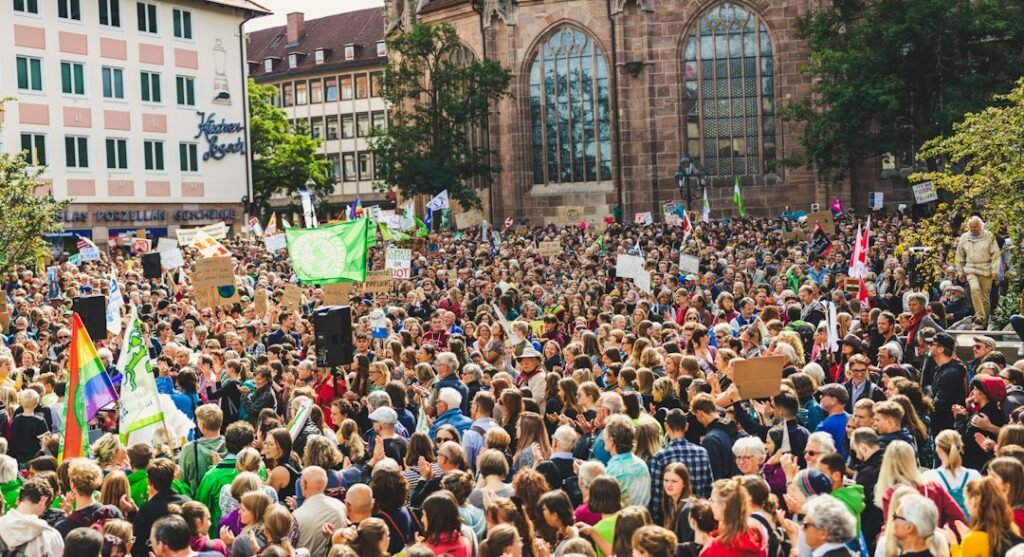
Owaisi Advocates for Independent Muslim Leadership in Politics
Asaduddin Owaisi, leader of the All India Majlis-e-Ittehad-ul-Muslimeen (AIMIM), has made a strong appeal to Muslim constituents, encouraging them to form their own political leadership. He emphasised the need for self-reliance within communities to ensure their representation in governmental spheres. This call comes alongside criticism aimed at India’s traditional parties, particularly Samajwadi Party (SP) and Congress, for what Owaisi perceives as their failure to adequately address the necessities of Muslim communities.
While speaking to a gathering, Owaisi articulated his dissatisfaction with the way SP and Congress have engaged with Muslim voters. He accused these established parties of only concerning themselves with Muslim issues around election periods, subsequently neglecting the community’s interests once elections concluded. Owaisi asserted that such temporary alliances fail to provide sustainable solutions or advancement for Muslims within the Indian political framework.
Owaisi’s remarks highlight a broader context of political alienation felt by many in the community. Traditionally, Muslims have been considered significant electoral supporters for several political outfits; however, the perceived lack of consistent support and representation has led to growing disillusionment. By fostering distinct leadership within the community, Owaisi argued, Muslims could secure a platform where their voices are continuously heard and their needs addressed meaningfully.
The AIMIM leader’s statements are part of a larger strategy to shift the political dynamic, especially in states with substantial Muslim populations. By rallying voters to back leaders from their community, Owaisi aims to challenge traditional political structures and create space for new alliances that pledge direct accountability and service to their communities.
This call to action has sparked varied responses among political analysts and other parties. Some view it as a necessary evolution towards diversified political representation in India, while critics argue it could fragment the vote further, potentially weakening the collective bargaining power of Muslim voters within the existing political landscape.
As the political climate in India continues to evolve, Owaisi’s push for independent leadership within Muslim communities may lead to significant changes in how political engagement is structured and executed. Only time will determine the impact of such advocacy on the political capital and influence of Muslim voters in future electoral contests.
Photo by Markus Spiske on Unsplash