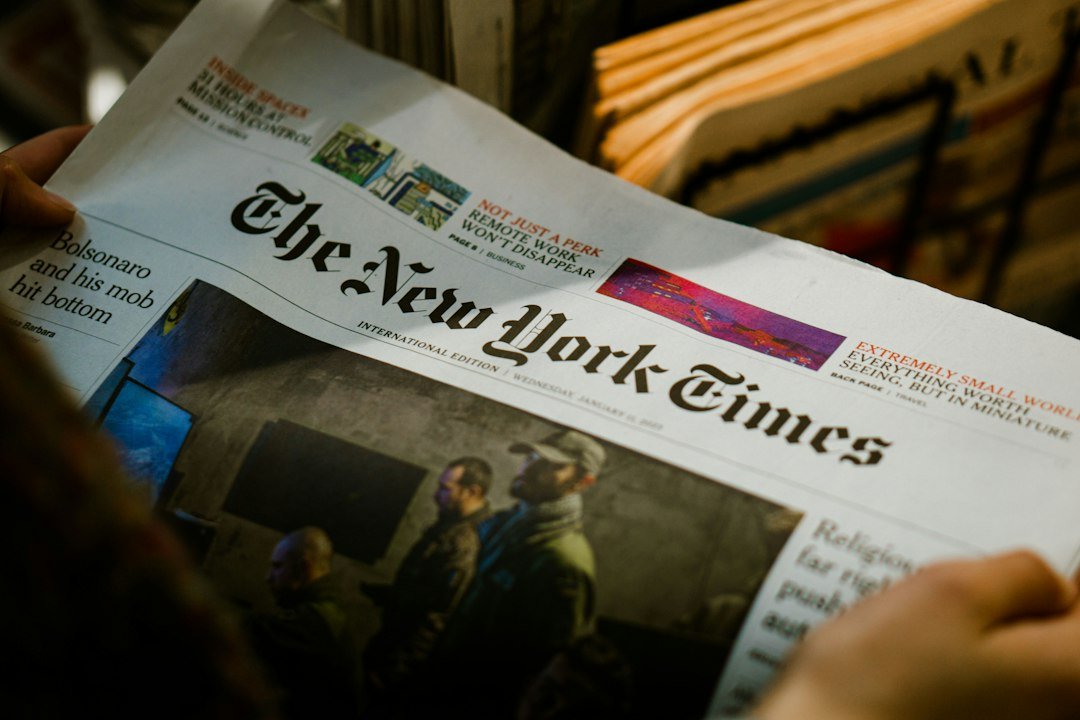

Increasing Danger for Journalists in Latin America
Being a journalist in Latin America has become an increasingly perilous profession, as threats and violence against media workers are on the rise. Recent events in Ecuador highlight this alarming trend, with the fatal shooting of journalist Tomas Beltran in the small city of Calceta. Beltran had previously reported receiving death threats, yet protection measures had failed, resulting in a tragic outcome that echoes across the region.
This incident is symptomatic of a broader issue affecting journalists not only in Ecuador but across the entire region. Last year alone, 23 journalists in Latin America lost their lives due to their profession, with organized crime and governmental intimidation contributing significantly to these dangers.
Governments and Organized Crime: Dual Threats
Journalists face threats not just from criminal groups but often from the very governments that should protect them. In Ecuador, examples abound of reporters who have been pressured or forced out of their roles, not by direct violence, but through governmental intimidation and financial control tactics.
In one notable case, Gisella Bayona, a leading news anchor in Ecuador, stepped down after persistent harassment, which was exacerbated by derogatory comments from President Daniel Noboa. Similarly, esteemed columnist Roberto Aguilar departed Expreso, a national newspaper, under government-imposed pressure on advertisers.
Media Suppression Extends Beyond Borders
This pattern is not confined to Ecuador. Across the region, from Nicaragua’s harsh restrictions pushing journalists into exile, to El Salvador’s constant surveillance under state-of-emergency conditions, media freedom is systematically undermined. These countries illustrate how governmental pressure, rather than overt office shutdowns, can effectively silence dissenting voices.
The dilemma is compounded by dwindling public trust in the media. In Ecuador, trust in journalism has plummeted, reaching historic lows. This distrust makes it easier for those in power to exploit the situation, perpetuating misinformation and censoring critical reports.
The Perpetual Battle for Press Freedom
The fallout from this culture of fear is a form of self-censorship as journalists retreat to protect themselves, leaving important questions unasked and unanswered. The silencing of a single journalist deprives the public of crucial insights, ultimately eroding the democratic fabric.
To combat these trends, there is an urgent need for stronger protections for journalists and a reinvigoration of public trust. Encouraging transparency and safeguarding freedom of the press are essential to preserving the integrity of democratic societies in Latin America.
Photo by Markus Winkler on Unsplash