Pollution Alarms Sound in Delhi During Diwali Festivities
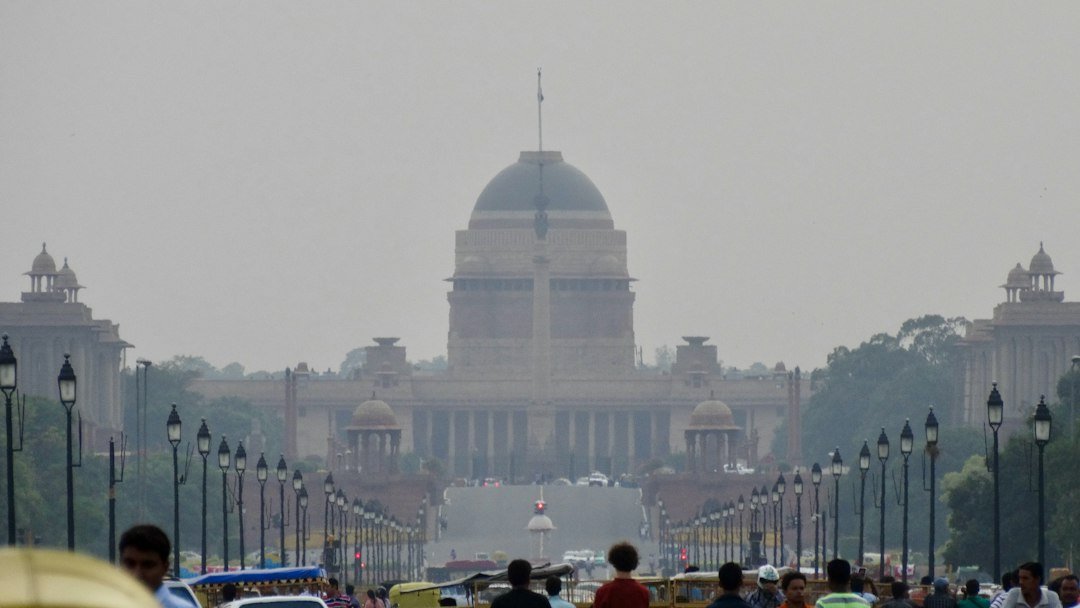
The air quality situation in Delhi and neighboring NCR regions has reached alarming levels as thick smog enveloped the cities during the Diwali celebrations. This air quality crisis is largely attributed to extensive fireworks displays, which have temporarily increased pollutants in the atmosphere, reducing visibility and raising health concerns among residents.
Regulatory Measures in Place
In preparation for this predictable spike in pollution, the Commission for Air Quality Management (CAQM) implemented Stage 3 of the Graded Response Action Plan (GRAP) before the onset of Diwali. This preemptive step aimed to mitigate air quality deterioration by curbing pollutant-generating activities known to worsen air conditions during the festival.
This strategy includes restrictions on certain construction operations, industrial activities, and vehicular emissions as a way to control pollution levels. However, despite these efforts, air quality monitors in the region recorded worrying numbers.
Air Quality Index Readings
Data collected during the celebrations indicated that the Air Quality Index (AQI) in Delhi surged to a concerning 373, categorizing it as ‘very poor’. In areas like Noida, the situation mirrored Delhi, echoing a pattern of high pollution levels across NCR.
Environmental Debate Sparks
The environmental community has been vocal about the need for more accurate air quality data, pointing to discrepancies between official reports and atmospheric conditions experienced by residents. Eyewitness accounts and recorded breaches, such as rampant firecracker use, have called into question the governmental accountability and the effectiveness of the current monitoring systems.
The visible and tangible effects of pollution experienced during Diwali restate the urgency for enhanced regulatory frameworks and public compliance, especially as repeated exposure to such environmental degradation poses serious health risks.
Looking Ahead
As the winter months approach, when weather conditions typically exacerbate air pollution in northern India, authorities are urged to implement more robust and transparent measures. This time calls for collaborative efforts between regulatory bodies, community leaders, and citizens to address the persisting air quality challenges and safeguard public health.