
The Supreme Court of India has issued a pivotal clarification aimed at curbing the delays in formal arrests following detention. According to the new directive, law enforcement must complete the formal arrest process within 24 hours from the moment an individual is detained. This move seeks to reinforce the legal principle safeguarding human rights and ensuring timely justice.
Previously, ambiguities surrounding the commencement of the arrest period led to inconsistencies in the application of legal time frames, often resulting in prolonged detentions without formal arrest. The Supreme Court’s decision reaffirms that the detention period itself sets the clock ticking for the 24-hour window within which a formal arrest must be executed.
Legal Implications and Reactions
This ruling is a significant step towards ensuring accountability and transparency within the legal system. By starting the arrest clock from the detention point, the Court aims to prevent any misuse of power by law enforcement agencies that may exploit procedural delays to hold individuals unjustly.
Legal experts and civil rights advocates have applauded the ruling as a necessary reinforcement of constitutional protections. They emphasize that this decision will compel greater diligence among law enforcement officers, ensuring that the rights of detainees are respected as per constitutional mandates.
Some critics, however, express concerns over whether law enforcement agencies are equipped to adhere to this strict timeline, citing potential logistical and procedural challenges. Nonetheless, many agree that the decision is a needed push towards evolving India’s justice system.
Future Prospects
As the directive takes effect, stakeholders across the legal spectrum are expected to adapt to this new requirement, fostering a more robust and rights-respecting system of criminal justice. The Supreme Court’s ruling may prompt further reforms aimed at streamlining arrest procedures, thus optimizing the country’s law enforcement processes.
Moving forward, it will be crucial for the government and police departments to address any operational challenges to comply fully with the new ruling. Improved training, resource allocation, and clear procedural guidelines will be vital to meet the high standards set by the Supreme Court. Ultimately, the implementation of this ruling stands to benefit both individuals subjected to arrest and the overall integrity of legal proceedings in India.
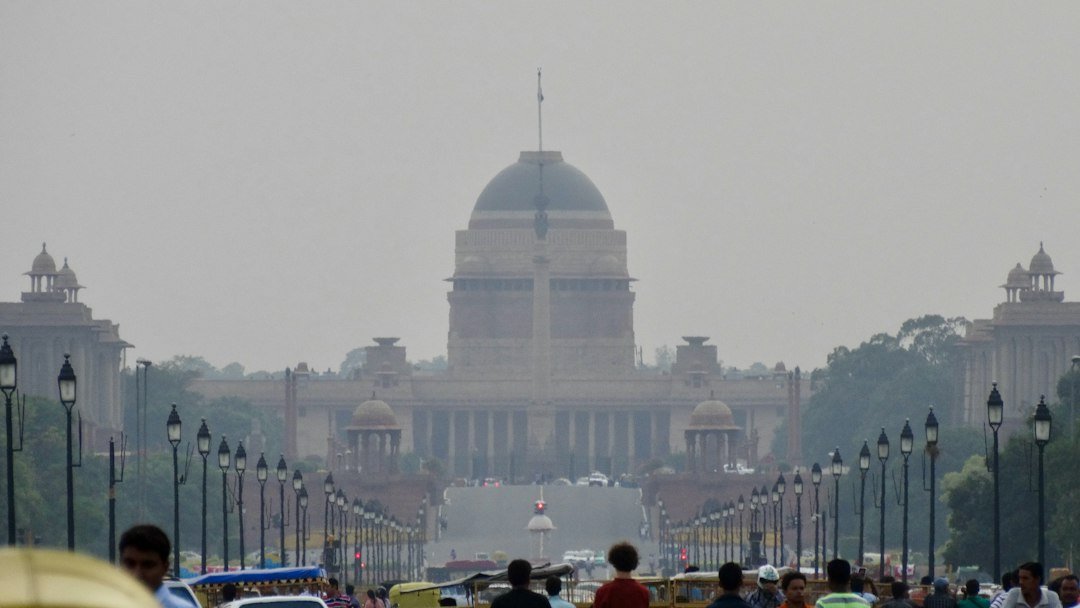
Photo by Shivani Tibrewal on Unsplash